


Boat owners and RV operators searching for Starlink Mini power solutions consistently run into the same problem: standard consumer-grade DC cables are not built for sustained outdoor exposure. Whether the installation sits beneath a windshield in direct summer sun or on a marine deck exposed to salt spray and humidity, the demands of these environments exceed what general-purpose cabling is designed to handle.
This evaluation covers the specific environmental stresses that degrade conventional DC harnesses, and documents how a purpose-built weather-resistant Starlink Mini DC cable addresses each one.
The Common Pain Point: Consumer Cable Failure in Outdoor Environments
The majority of aftermarket DC power cables use standard PVC insulation — adequate for indoor electronics but not suited to sustained UV exposure, high ambient heat, or moisture ingress. In practice, boat owners and RV users report the same sequence of failures:
The cable jacket develops surface cracks after one or two seasons of UV exposure. Those cracks allow moisture to penetrate the insulation, accelerating oxidation at the conductor level. In engine compartment or under-dash routing, thermal cycling — repeated expansion and contraction between cold nights and hot operating days — stresses the jacket further. Anti-vibration performance is likewise absent in standard cables: connector interfaces that function fine on a stationary desk begin producing intermittent contact faults within months of mobile use.
The result is predictable: reduced conductivity, heat buildup at compromised contact points, and a failed connection that cuts power to the Starlink Mini dish at the worst possible moment.
Material Construction: Heavy-Duty Insulation for Sustained Field Performance
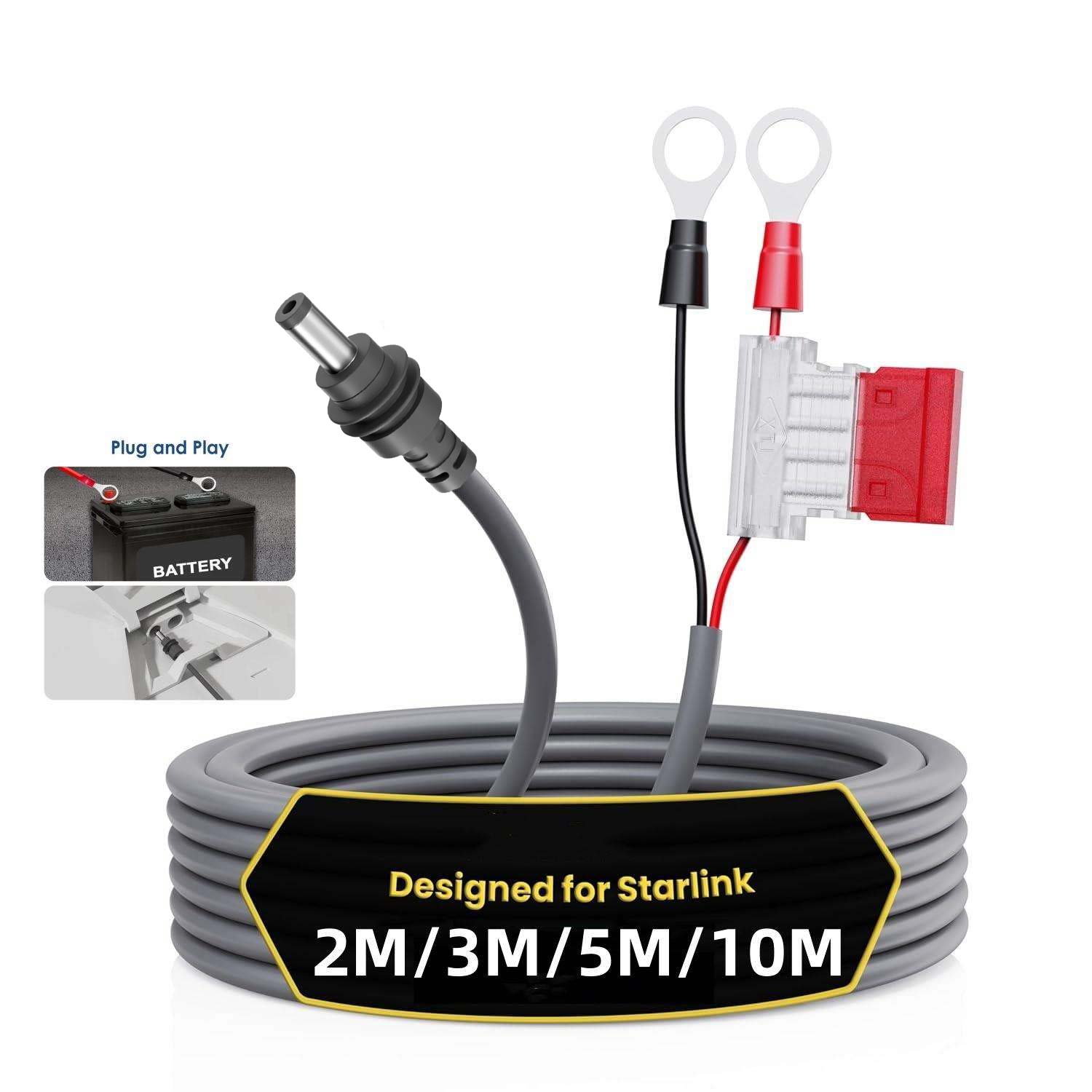
The 5M/16FT 18 AWG Starlink Mini extension harness addresses these failure modes at the material level. The cable jacket uses heavy-duty insulation rated for UV ray resistance, moisture ingress protection, high-temperature engine bay environments, and high-intensity vibration — the four primary stressors that eliminate standard consumer cables from serious field consideration.
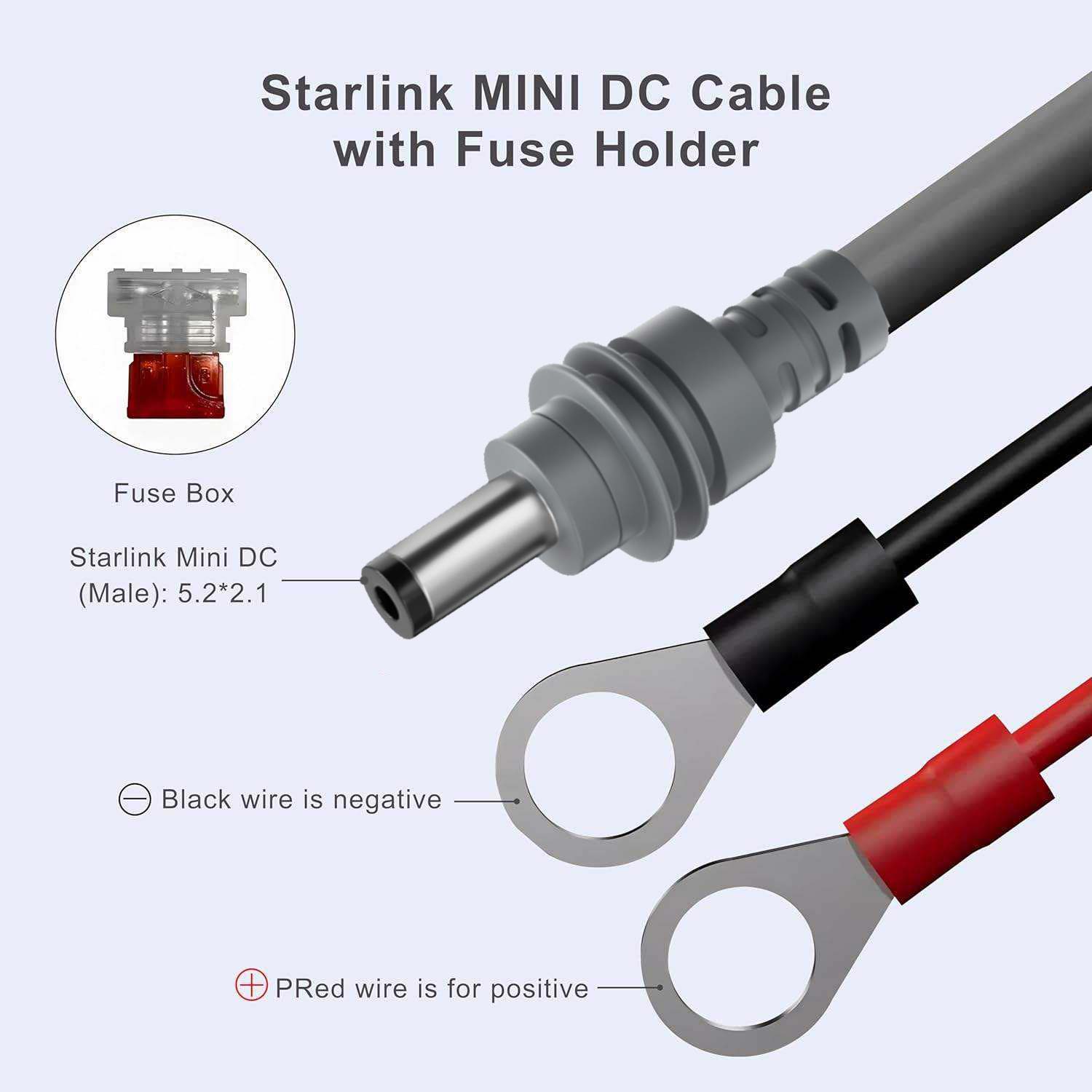
The DC connector is custom-manufactured to the 5.2mm×2.1mm specification that matches the Starlink Mini power input exactly. A waterproof sealed interface eliminates the connector gap that causes loose-contact faults in standard 5.5mm plugs. Combined with an inline ATC/ATO fuse holder and tinned copper conductors, the harness maintains rated performance across extended deployment in demanding environments.
Scenario One: Marine Deck Installations
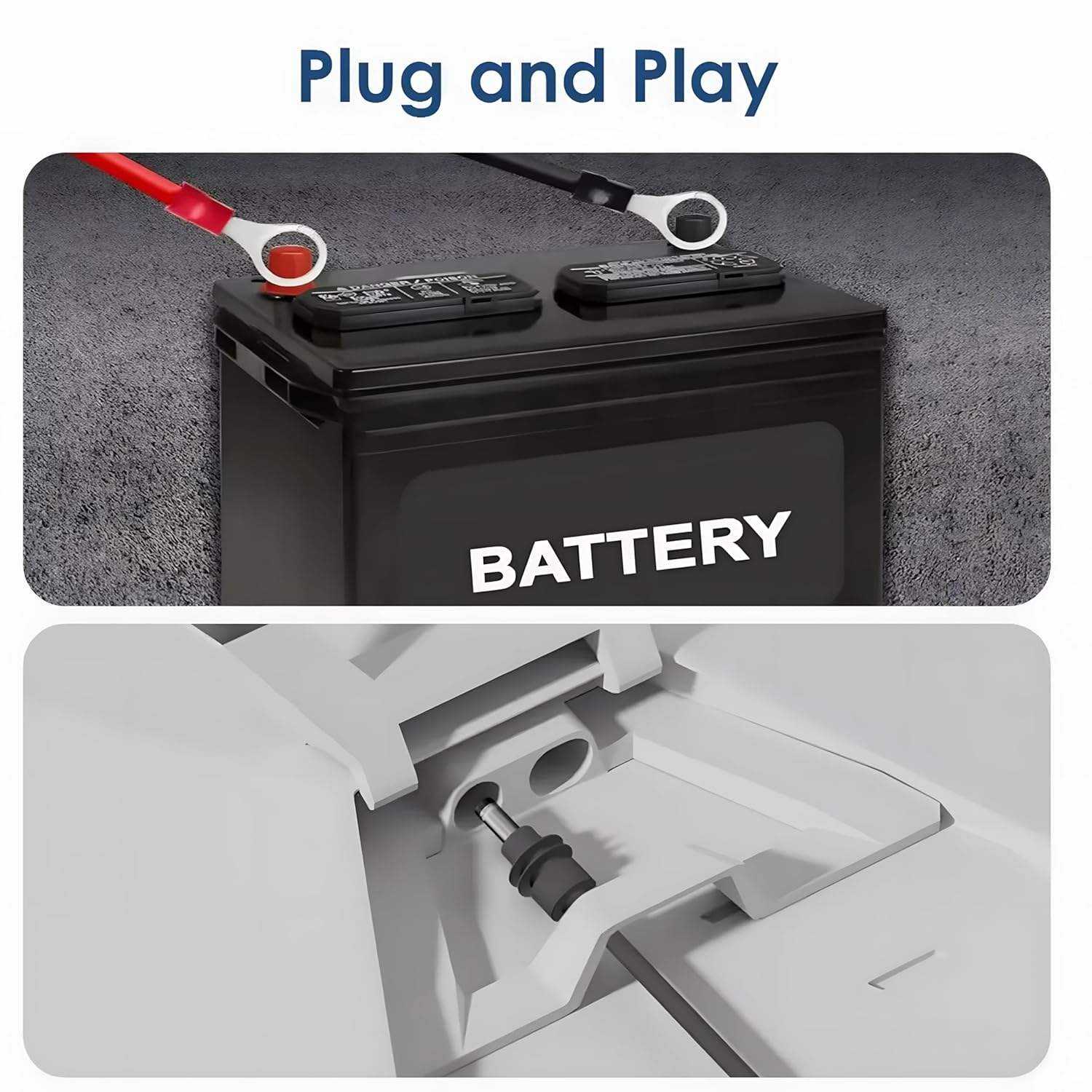
On sailboats, motorboats, and offshore workboats, the Starlink Mini antenna is typically mounted on deck or at the mast — locations where the power cable must transit through areas of direct salt air exposure and frequent moisture contact. Standard PVC jacketing deteriorates under repeated saltwater exposure, and untinned copper conductors begin oxidizing within months.
The weather-resistant Starlink Mini DC cable routes from battery or shore power through deck penetrations to the antenna mount without the moisture ingress or corrosion risk that shortens the service life of standard cables. The sealed DC connector interface prevents salt moisture from penetrating the power connection during rain, spray, or deck wash-down events — maintaining continuous power to the Starlink Mini system through extended offshore passages.
Scenario Two: Vehicle Dashboard and Under-Hood Routing
For RV operators and overland vehicle builds, the most demanding environment for a DC power cable is the path from a roof or hood-mounted Starlink Mini antenna down into the cab or to the vehicle battery. Under-dash routing exposes cables to radiant heat from windshield glass — routinely reaching 70–85°C on summer days in direct sun. Engine bay routing brings the cable into contact with exhaust heat and mechanical vibration from the drivetrain.
The heavy-duty insulation on this harness maintains jacket integrity under these thermal conditions without cracking or softening. Anti-vibration construction keeps the 5.2mm×2.1mm DC connector fully seated against the Starlink Mini input port through road shock and chassis flex, preventing the micro-disconnects that reset the satellite system mid-drive.
Overall Advantages
- Exact-fit 5.2mm×2.1mm DC plug — no adapter required, no oversized gap, no connector play at the Starlink Mini interface
- UV-rated heavy-duty jacket — resists surface cracking under prolonged direct sun exposure on decks and rooftops
- Waterproof sealed connector — weatherproof interface prevents moisture ingress at the power input in rain and spray conditions
- High-heat insulation — maintains rated performance in engine bays and under-dash environments at sustained high temperatures
- Anti-vibration construction — stable connection through road shock and wave motion without micro-disconnect faults
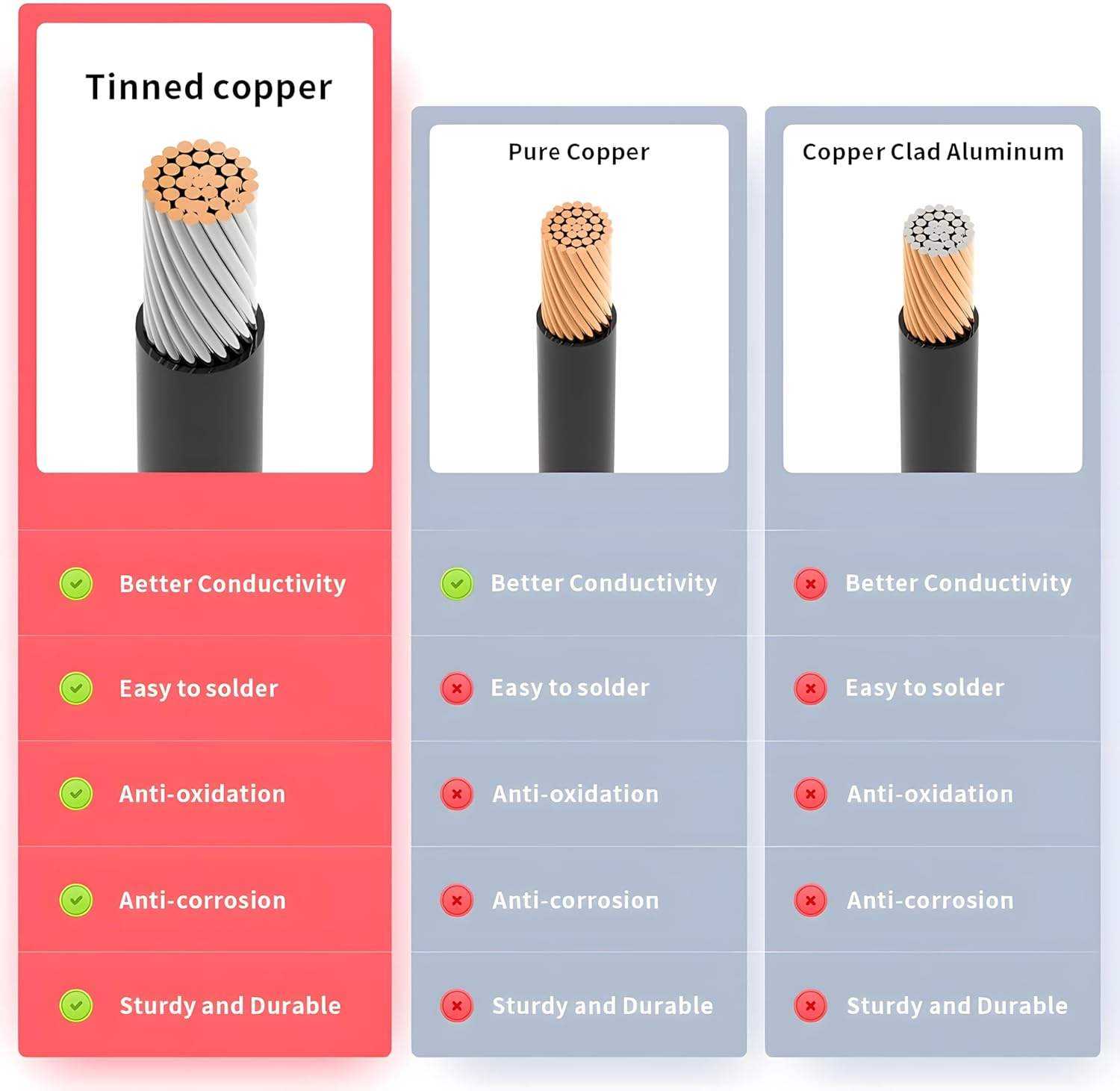
- Tinned copper conductors — corrosion resistance for long-term salt air and high-humidity deployments
- Inline ATC/ATO fuse protection — circuit safety built into the harness without additional wiring complexity
- 5M / 16FT length — sufficient routing clearance for most vessel and vehicle installation configurations
Summary: Off-Grid and Mobile Reliability Starts at the Power Connection
For Starlink Mini users operating outside controlled indoor environments, the DC power cable is not a peripheral accessory — it is a critical component of system uptime. A weather-resistant Starlink Mini DC cable built to the correct 5.2mm×2.1mm dimensional specification, with UV-rated heavy-duty insulation, sealed waterproof connections, and corrosion-resistant tinned copper conductors, is the baseline requirement for sustained performance in marine and vehicular deployments.
This 5M/16FT 18 AWG harness delivers that baseline across both environments — without adapters, without additional weatherproofing measures, and without the periodic replacement cycle driven by jacket degradation that standard consumer cables impose on serious mobile operators.